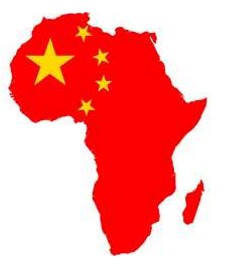
Luban Workshops in Kenya: Soft Power, Technopolitics and China’s Tech leadership ambitions
Abstract
This article theoretically and empirically examines whether Luban Workshops in Kenya contribute to a positive image of China and advance its global tech leadership ambitions. It uses Soft Power theory combined with Critical Technopolitics to establish whether Luban workshops serve China’s geopolitical tech interests or Kenya’s national technological development and whether Kenyan students and instructors consider China a competent tech leader globally. The research employs a mixed-method qualitative design that includes theoretical analysis, semi-structured interviews with Luban students and faculty and case study observation of Kenya’s two Luban workshops. It finds that Luban workshops are a powerful soft power tool using education, vocational training and technical cooperation to build attraction, legitimacy and influence. It also finds that China’s skills development and technology cooperation while largely aligns with Kenya’s national digital development trajectory and technological development goals, also establishes strategic dependencies for China’s political goals.
Keywords: Luban Workshops. Soft Power. Technopolitics. Perception. Kenya. Skill Transfer.

