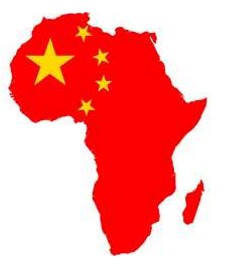
This edition of Journal of China-Relations touches on Luban Workshops in Kenya and China’s policy regarding the South China Sea from 1990 to 2010.
One of the papers, in this issue, reveals that Luban workshops are a powerful soft power tool using education, vocational training and technical cooperation to build attraction, legitimacy and influence. It also finds that China’s skills development and technology cooperation while largely aligns with Kenya’s national digital development trajectory and technological development goals, also establishes strategic dependencies for China’s political goals.
Another paper also argues that whilst there is a general understanding of the external motivations and internal drivers behind China’s policy towards the South China Sea, these factors are often analyzed and examined in isolation. This paper therefore, addresses both factors simultaneously and draws conclusions regarding the likelihood of armed conflict in the region, particularly with regard to the claimant coastal states and the centrality of the US role.
This issue of Journal of China-Africa Relations features many empirical and theoretical based articles which can be of great benefit to every reader.

